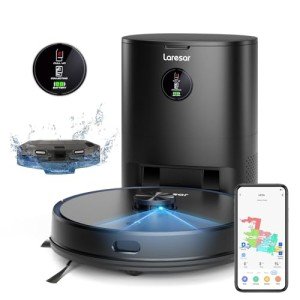
The Rise of Robot Vacuum Cleaners in Industrial Settings
In the last few years, the landscape of industrial cleaning has actually seen a considerable change with the intro of robot vacuum. These automated devices are not just a novelty for homes; they have gotten traction in warehouses, making plants, and other industrial environments. This short article explores the functionality, advantages, and factors to consider of robot vacuum cleaners within the industrial context, while responding to some frequently asked concerns.
What are Robot Vacuum Cleaners?
Robot vacuum are automated cleaning gadgets geared up with sophisticated sensing units and technology that allow them to navigate around spaces, detect dirt, and vacuum surface areas without direct human intervention. In industrial settings, they are created to deal with a range of debris types, facilitate routine cleaning schedules, and improve general functional effectiveness.
Table 1: Key Features of Industrial Robot Vacuum Cleaners
| Function | Description |
|---|---|
| Navigation | Uses LiDAR or camera-based navigation for accurate mapping. |
| Size and Design | Compact and robust style to suit tight areas and stand up to difficult environments. |
| Self-Charging | Automatically go back to its docking station for charging. |
| Dustbin Capacity | Bigger dustbin matched for industrial debris sizes and volumes. |
| Programming | Can be configured for scheduling and particular cleaning tasks. |
| Information Collecting | Geared up with sensing units to collect data for upkeep and cleaning analysis. |
Benefits of Robot Vacuum Cleaners in Industrial Settings
The adoption of robot vacuum features a myriad of advantages:
Increased Efficiency:
- 24/7 Operation: Unlike human cleaners, robots can operate around the clock, contributing to constant tidiness without downtime.
- Time-Saving: Automated cleaning enables staff members to concentrate on core tasks instead of cleaning responsibilities.
Cost Savings:
- Labor Costs: Maintaining a robot vacuum can minimize the requirement for a large cleaning staff, decreasing overall labor costs.
- Operational Efficiency: With improved tidiness and reduced downtime due to upkeep concerns, organizations can minimize functional costs.
Boosted Safety:
- Reduced Risk: By lessening the human participation in hazardous cleaning environments, the threat of mishaps is minimized.
- Constant Cleaning: Robot vacuums make sure that locations are consistently cleaned, decreasing slip threats and unhealthy environments.
Increased Flexibility:
- Customizable Cleaning Routes: These devices can be set to tidy particular areas or floors, adjusting to altering industrial designs.
- Range of Surfaces: Industrial robot vacuums can deal with various floor covering types, from concrete to tiles, making them versatile.
Environmental Impact:
- Sustainable Cleaning Solutions: Many designs use very little water and ecologically friendly cleaning options, helping in business sustainability efforts.
Table 2: Industrial Applications of Robot Vacuum Cleaners
| Market | Application |
|---|---|
| Production | Cleaning assembly line and assembly locations. |
| Warehousing | Preserving clean and orderly storage spaces. |
| Food Processing | Ensuring cleanliness in sensitive locations to meet health standards. |
| Pharmaceuticals | Keeping ultra-clean environments for production. |
| Logistics and Distribution | Keeping paths clear for efficient operation. |
Challenges and Considerations
While the advantages are substantial, companies should also consider several obstacles:
- Initial Investment: The upfront expenses of purchasing industrial robot vacuum cleaners can be considerable, though long-term savings may offset this expenditure.
- Repair and maintenance: Regular maintenance is necessary to keep the robotic systems working efficiently, and repair work can incur additional costs.
- Integration: Businesses may require to incorporate these machines into existing workflows, which can require time and change.
- Training and Support: Staff might require training to efficiently handle these makers, especially when fixing or shows is required.
Frequently Asked Questions About Robot Vacuum Cleaners in Industrial Settings
1. Just how much do industrial robot vacuum cost?
The cost can vary from a couple of thousand to tens of thousands of dollars, depending on specifications, functions, and brand name.
2. What kinds of surfaces can they clean up?
Robot vacuum appropriate for numerous surfaces including carpets, tiles, concrete, and even some wood floors.
3. How do they navigate complex industrial environments?
Many industrial robot vacuums make use of advanced navigation systems like LiDAR, cams, and sensing units to map out and adjust to their environments for efficient cleaning.
4. Can they clean up large locations without human intervention?
Yes, industrial robot vacuums are created to clean extensive areas with preset paths and schedules, successfully running autonomously.
5. Are these robots eco-friendly?
Lots of models prioritize performance and minimize water use, making them a more ecologically friendly cleaning option compared to standard techniques.
The intro of robot vacuum into industrial environments represents an amazing development in cleaning technology. With gregorytosado.top to improve efficiency, decrease labor expenses, and maintain security, these automated systems are leading the way for smarter and cleaner industrial operations. While challenges may exist, the long-lasting benefits and technological improvements are motivating for industries looking for to improve their cleaning procedures. As innovation continues to progress, we can expect additional developments in robot vacuum cleaners that will transform industrial cleaning practices a lot more.